Gateway Features
Jaishankar’s outreach in Africa
 Courtesy: Gateway House
Ever since the phrase ‘Global South’ entered India’s diplomatic lexicon during its G20 presidency in 2022-23, Africa seems to have received somewhat diminished attention. This is ironic, given that Africa is seen as the heart of the Global South, and a major achievement of India’s G20 presidency was to deliver to the African Union (AU) full membership of the G20. And India has been struggling to host the fourth India–Africa Forum Summit for a decade, and the one planned read more
Ladakh awaits statehood
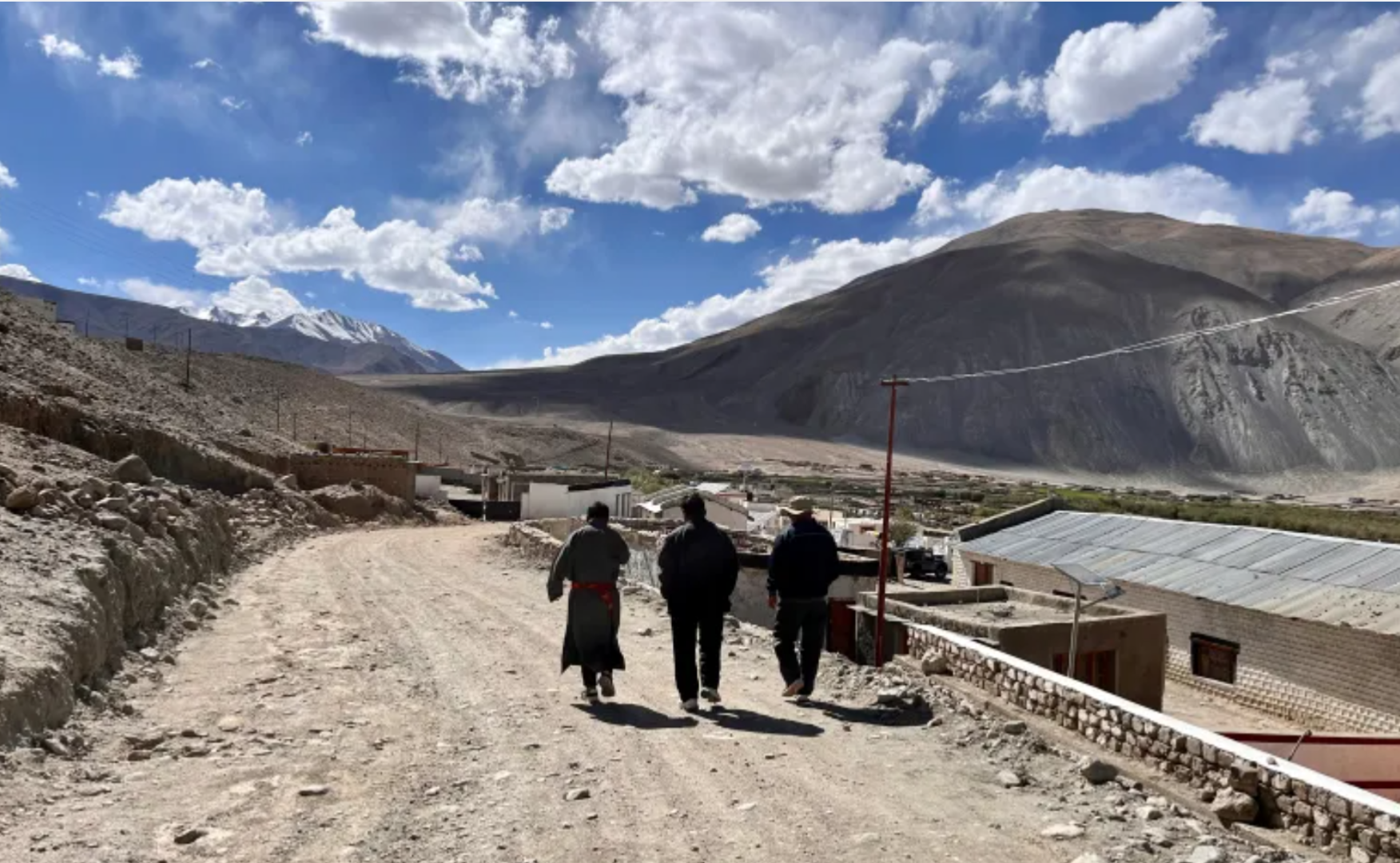 Courtesy: Tarushi Aswani / Al Jazeera
Seven years have passed since the monumental parliamentary decision on August 5, 2019 to abrogate Article 370 and 35A, which irrevocably altered the semi-autonomous status of the former state of Jammu and Kashmir. This bold move fragmented the region into two separate Union Territories (UT) of Jammu and Kashmir and Ladakh – a shift that has left geopolitical scars along the northern frontier. What was initially perceived by New Delhi as a strategic masterstroke aimed at fostering greater integration has instead read more
TIFR and the Tata Trust
 Courtesy: TATA
Amid the noise surrounding the current tussle at Tata Sons, few have listened carefully to what Noel Tata, a member of the Tata family and one of two Tata Trusts representatives on the Tata Sons board, has been saying. He issued a statement in which he emphasised that listing Tata Sons, the Tata Group's holding company, would destroy the ‘Tata Model.’ He added that the Group was conceived as a national service carried on through business for over a century. read more
Belarus wants to build in India
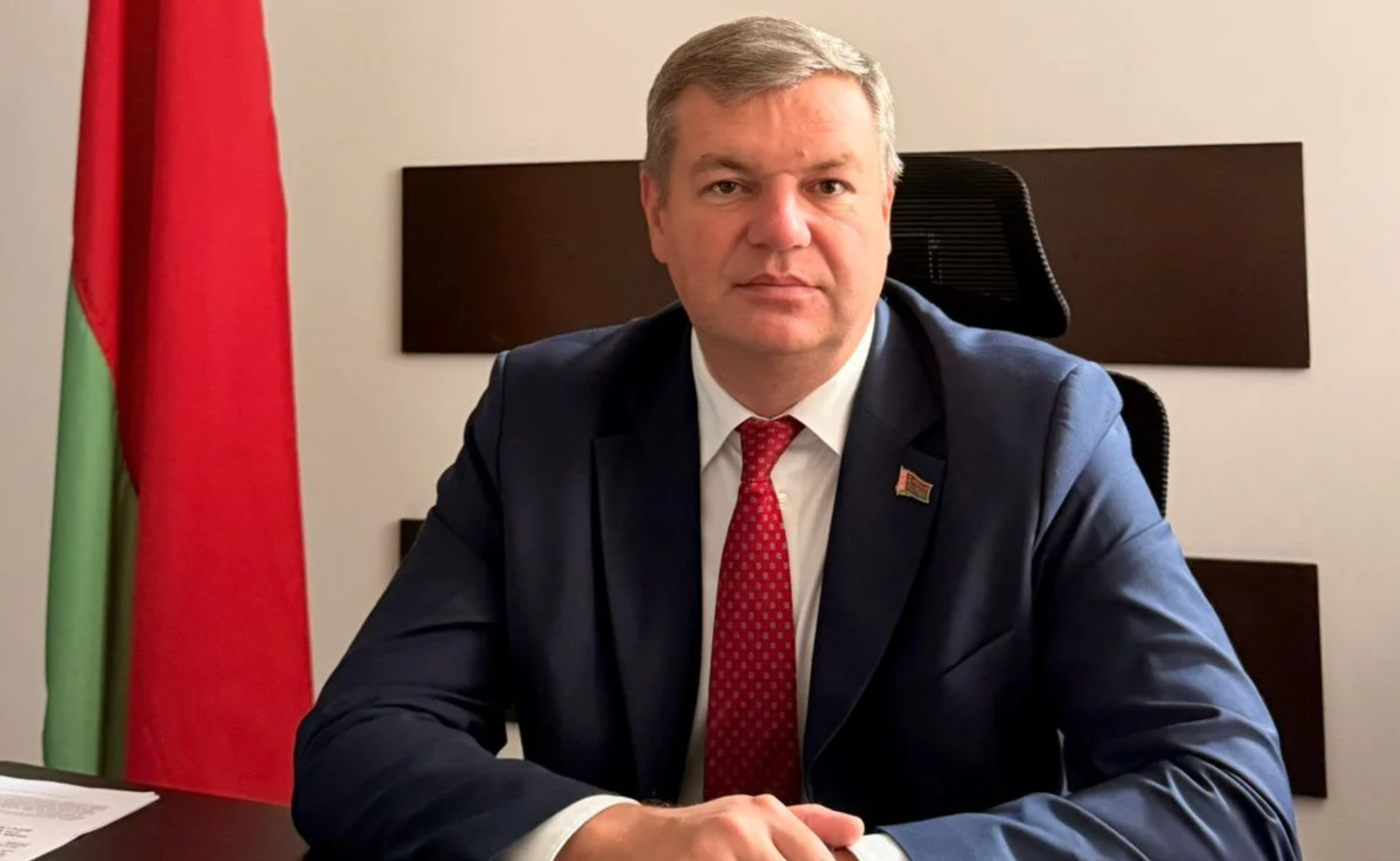 Courtesy: Envoy Excellency
Belarusian Foreign Minister Maxim Ryzhenkov visited New Delhi for the 18th BRICS Summit in September 2026. Belarus, an official BRICS partner country, wants to become a full member and counts on India’s support. In an interview with Gateway House’s Ajay Kamalakaran, Minsk’s envoy to India Ambassador Mikhail Kasko, outlines how Belarus hopes to deepen bilateral ties with India, from joint pharmaceutical production, technology transfer, assembly plants, student exchanges and tourism. read more





Research
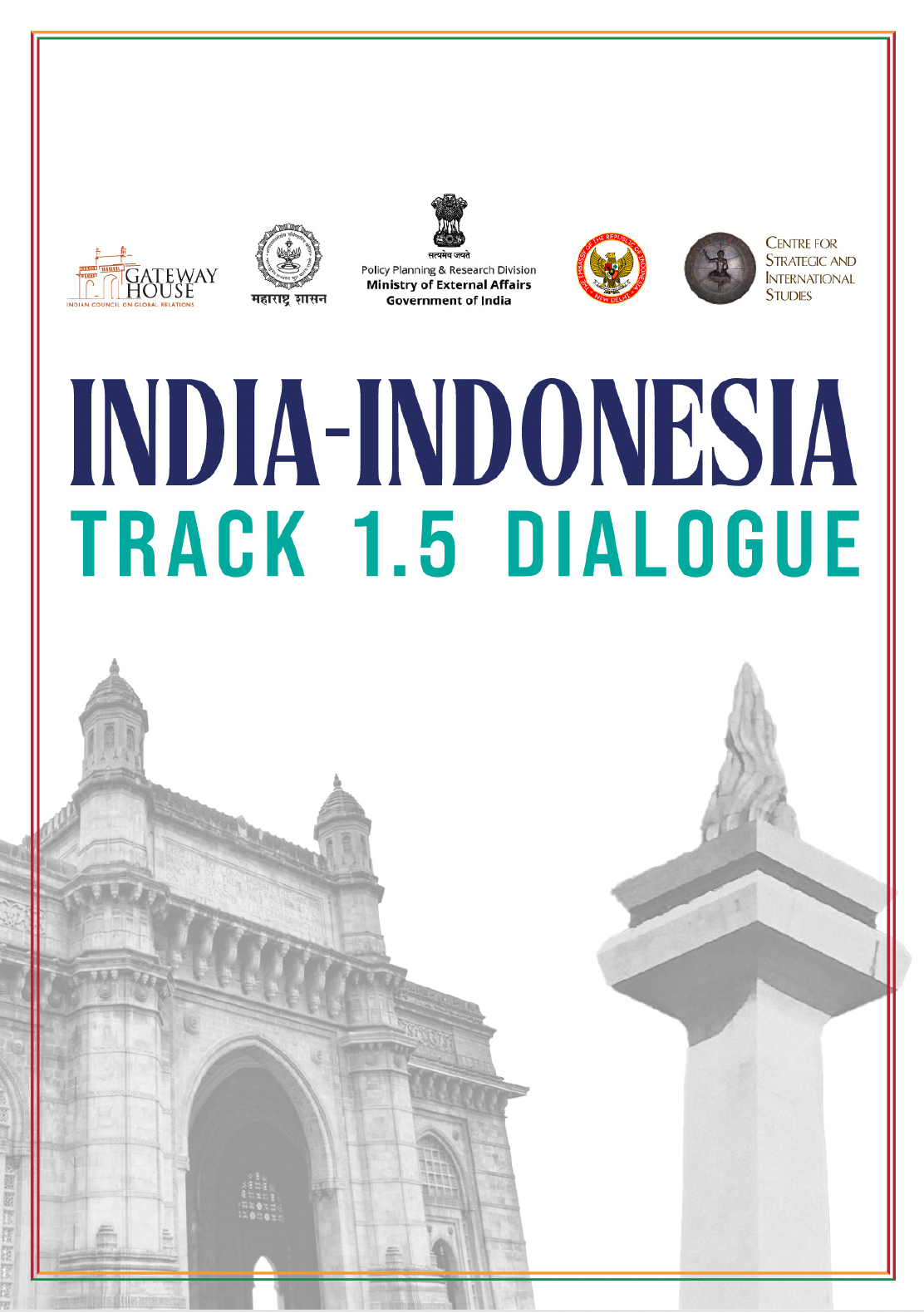
India and Indonesia have a comprehensive strategic relationship built on their ancient and modern histories, and a flourishing relationship sustained by trade, economic exchange and people-to-people contact. The India-Indonesia Track 1.5 Dialogue, hosted by Gateway House and the Centre for Strategic and International Studies, Indonesia, aims to provide policy recommendations to promote innovation and navigate evolving governance issues through bilateral and multilateral cooperation.
Foreign Affairs
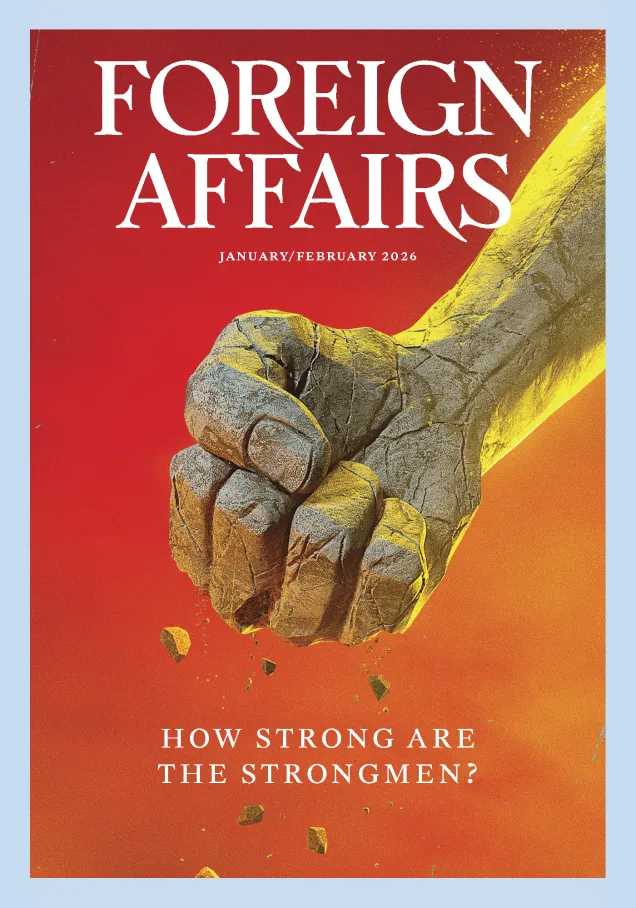
Not long ago in the sweep of history, countries that had once been buried behind the Iron Curtain, and even some Soviet republics, were transformed into members of the solidly democratic club. Some of those that weren’t, such as Ukraine, Georgia, and Kyrgyzstan, experienced mass revolts against rigged elections and corrupt misrule amid widespread public yearning to join the West. Free trade was again celebrated as an instrument of peace; Kant’s “democratic peace theory” enjoyed a revival.
Book Reviews
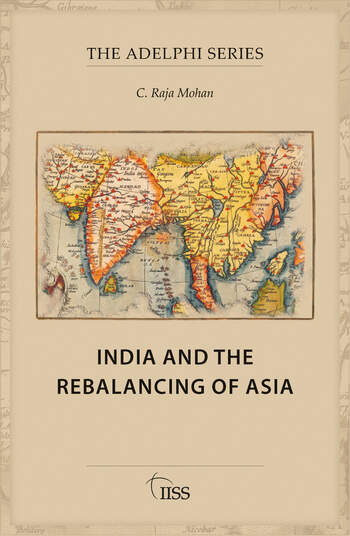
In this book, C. Raja Mohan analyses Asia’s shifting political, economic, military, and technological balance, with particular focus on U.S.-China and India-China relations. He argues that India’s rise from a middle power to an emerging great power will require stronger hard power, diplomatic creativity, economic vitality, and domestic consensus. Yet, amid tensions over tariffs, Russian oil, Gaza, and the U.S.-Iran conflict, India’s strategic path remains challenging.
follow us on