Screenshot 2024-08-08 123844 Courtesy:
8 August 2024

Subcontinental upheaval

Sheikh Hasina’s recent ouster as the Prime Minister has highlighted the deep fissures in Bangladeshi society and pushed the subcontinent into political turbulence. Amb. Rajiv Bhatia, Distinguished Fellow for Foreign Policy Studies, Gateway House, speaks about the political, economic, and security implications the crisis in Bangladesh has for Indian foreign policy and geopolitics in the neighbourhood and beyond.
bdesh Courtesy:
8 August 2024

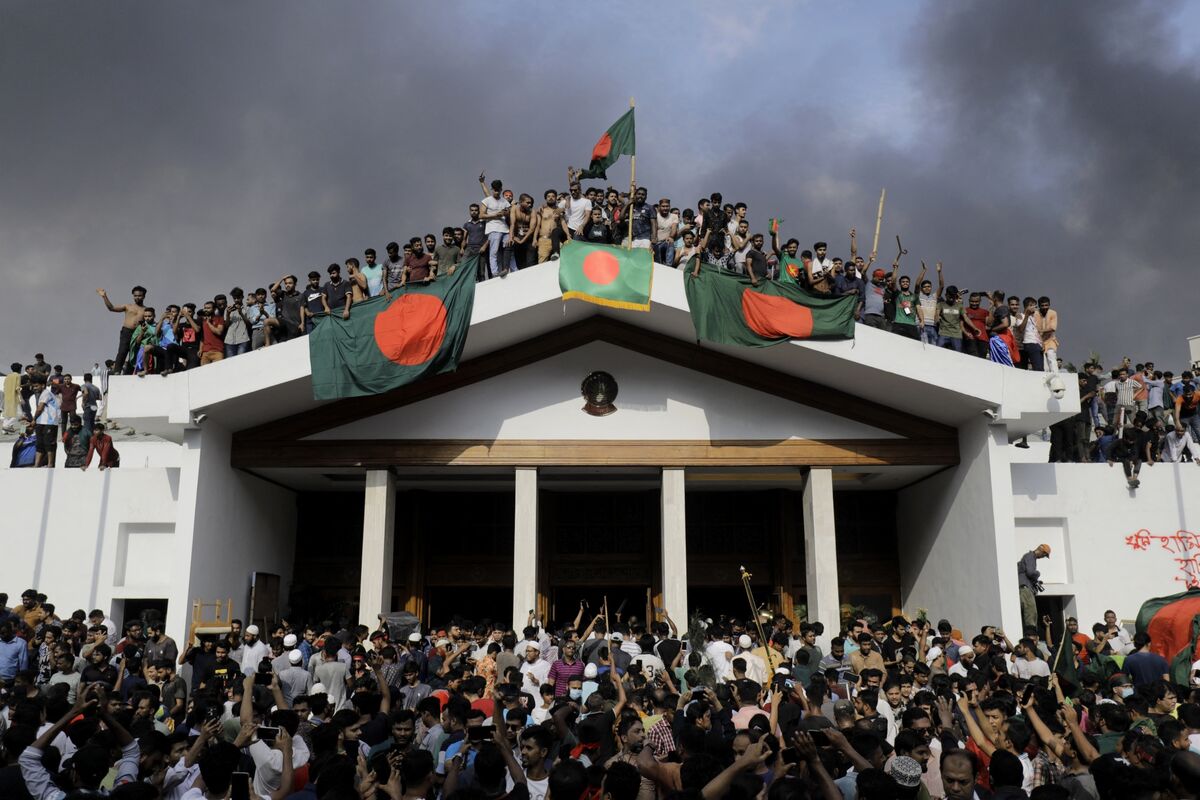
Strategic implications of Bangladesh’s regime change

Bangladesh Prime Minister Sheikh Hasina's forced resignation on August 5 came amidst prolonged and violent anti-government protests. Lt Gel S L Narasimhan, the Adjunct Distinguished Fellow for China and National Security Studies, Gateway House, analyzes the role of the army and external actors, and the strategic and security implications for India.

quad-foreign-ministers-tokyo-GettyImages-2163660814 Courtesy:
1 August 2024

An evolving Quad

The Quad foreign ministers meeting, held in Tokyo on July 29, took a clear position against China’s coercive actions in the East and South China seas. The four ministers have done their bit by reviewing the progress of the grouping’s many initiatives and reiterating its commitment to a free and open Indo-Pacific. For continued progress, the Quad now needs solid initiative from the top leadership – and a summit at the earliest.

Screenshot 2024-08-01 125830 Courtesy:
1 August 2024

China in South Asia

China and India both give great importance to their neighbours – the former through its Friendly Neighbourhood policy, the latter through Neighbourhood First. Although China has been increasing its influence in the region, narratives that say that India is losing out to China lack in-depth analysis. To deduce the future trajectory of China in South Asia, it is important to study both China’s and India’s relations with each of these countries, as also with each other.

handbook Courtesy:
27 June 2024

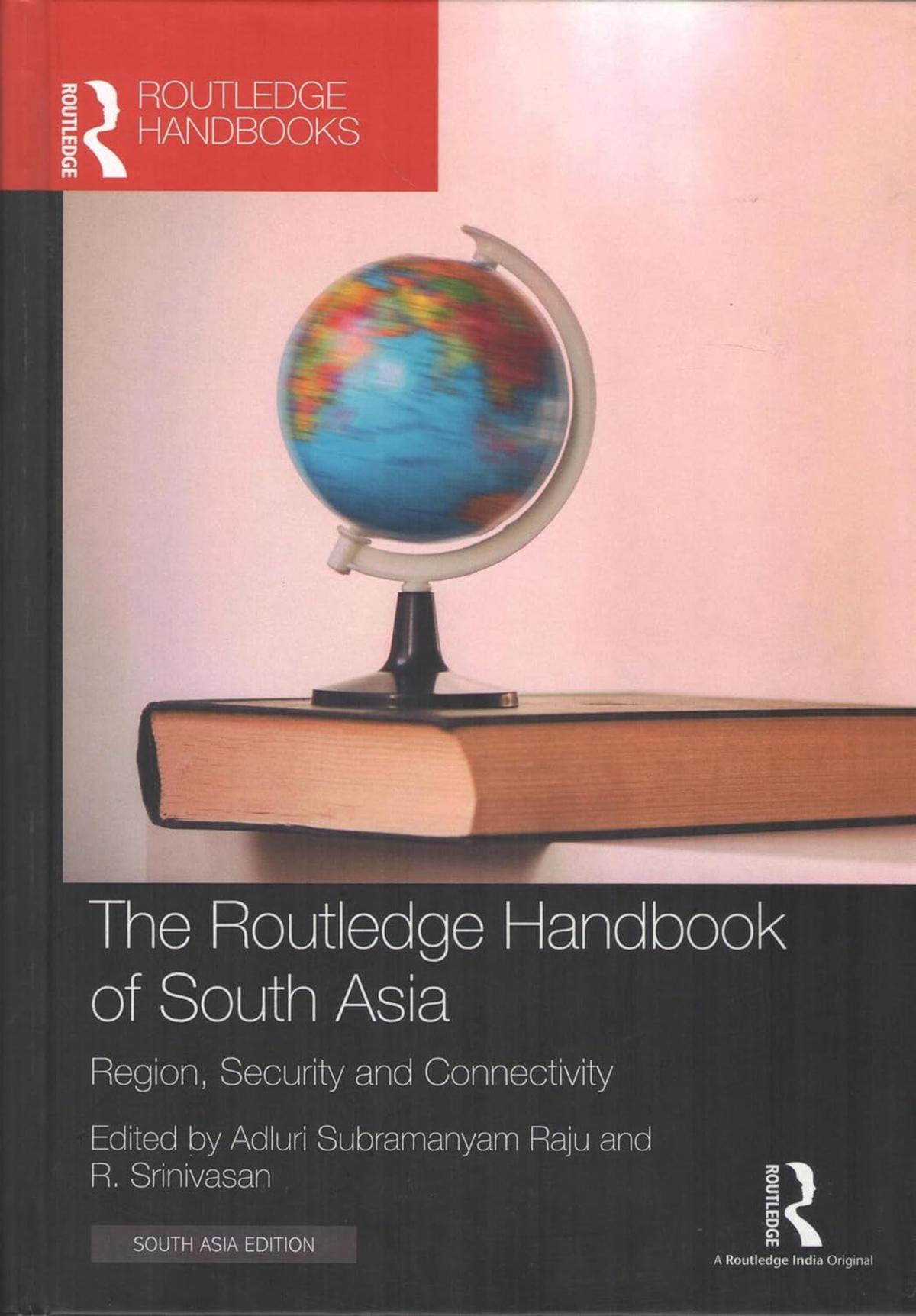
The Routledge Handbook of South Asia: Region, Security and Connectivity

The authors convincingly analyse the bewildering diversity, size and scale of the challenges of South Asia in a volume that is a rare treasure for those interested in deciphering the history, ethnic identities, colonial legacy, political economy, environmental risks, and geopolitical dynamics of the region.

Biden-Middle-East-peace-deal-Israel-Palestine-GettyImages-1731160260 Courtesy:
27 June 2024

The hanging Hamas Deal

The May 31 ceasefire deal proposed by U.S. President Joe Biden is the best on offer for Hamas and Israel. Hamas has delayed its response to the deal, demanding Israeli withdrawal from Gaza first. This absolutist and maximalist position allows Israeli Prime Minister Benjamin Netanyahu to conveniently evade his responsibility towards the U.S., a ceasefire deal, and his own people.

20240603PHT21803_original Courtesy:
13 June 2024

What the EU elections mean

The European Parliament elections have thrown up a win for the right-wing parties – quite a change from the previous centre-left composition. There will be repercussions for the EU and domestic policies of the member countries. Is this election an indication of a future Europe turning right, or is it a reaction to domestic situations individually within states?

534795_0_68_720_473_1920x0_80_0_0_27a8f74ace78cb73d7b0ab2075f99b85 Courtesy: Sputnik India
30 May 2024

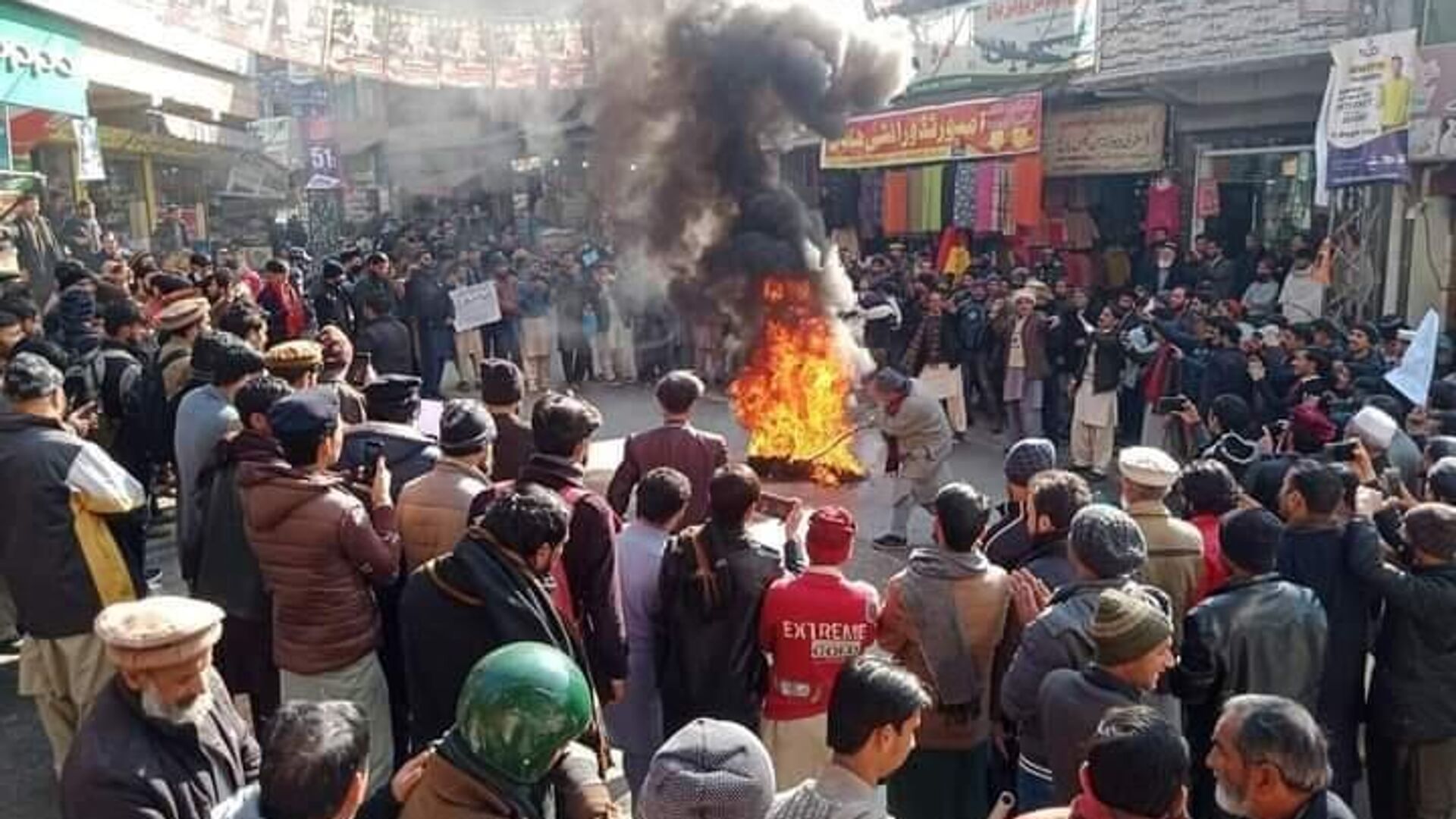
Trouble in Pakistan’s periphery

Pakistan’s peripheral regions have long been treated as colonies to benefit the Punjabi core. This neglect is facing a vigorous pushback, in the form of peaceful protests and violent resistance. The economic crisis has exacerbated tensions in Baluchistan, Khyber Pakhtunkhwa and Gilgit-Baltistan, which remain poor despite abundant natural resources.

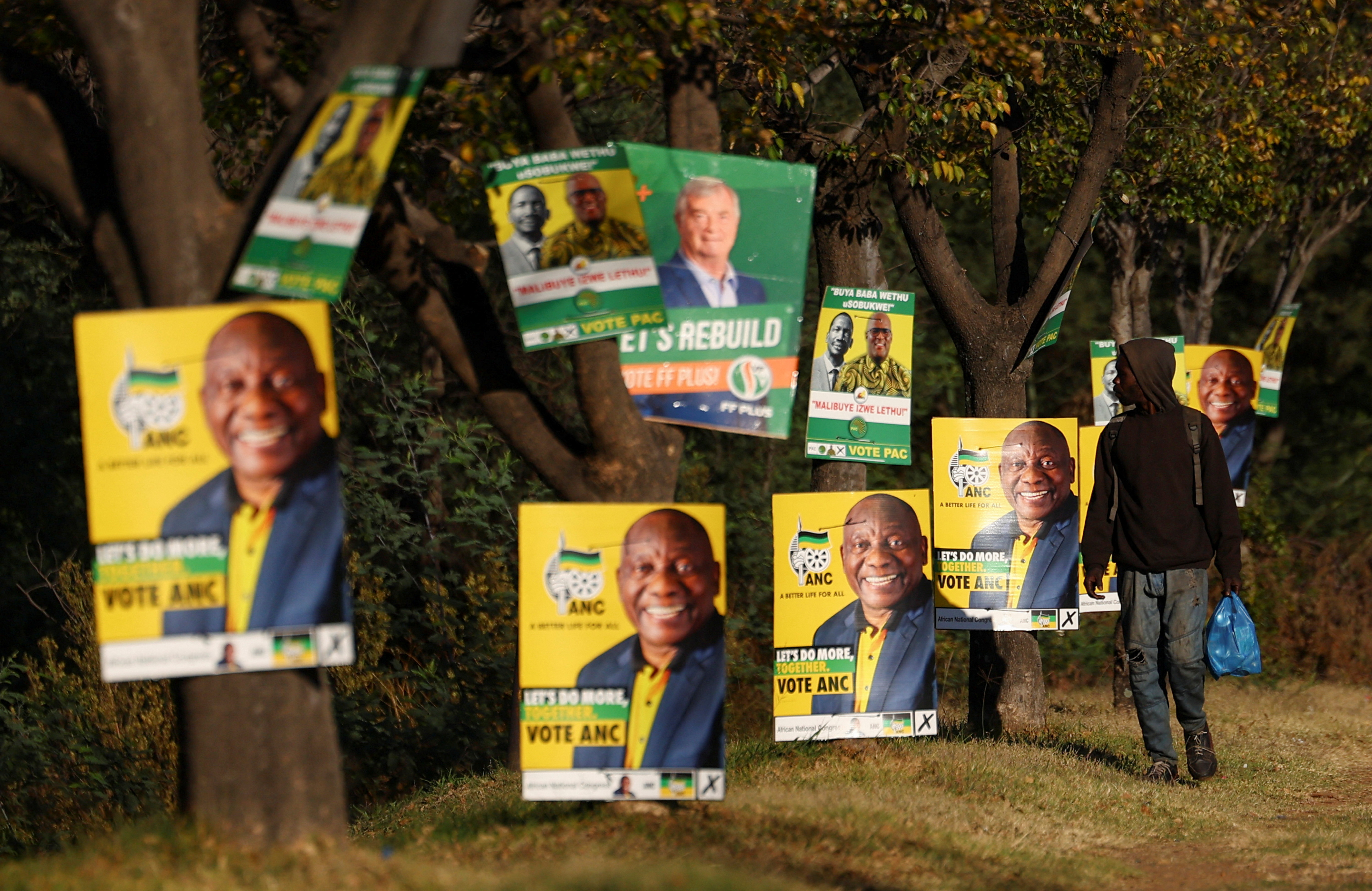
A man walks past election posters of the ruling African National Congress (ANC), as South Africa prepares for the May 29 general elections, in Soweto, South Africa, May 24, 2024. REUTERS/Siphiwe Sibeko Courtesy:
27 May 2024

South Africa goes to the polls

South Africa goes to the polls this week, and there is much to watch: a new electoral system, the fate of the African National Congress, a potential coalition, the promise of economic renewal, and a foreign policy agenda. The winner will have to get to work at once to tackle these simultaneous challenges and ambitions.