The Emerging Exception
The traditional label of ‘middle power’ fails to capture India’s growing status. The country’s ability to shape the international discourse is no longer in question. India sees itself as a key player the global order.

 Courtesy: The Diplomatist
The traditional label of ‘middle power’ fails to capture India’s growing status. The country’s ability to shape the international discourse is no longer in question. India sees itself as a key player the global order.
 Courtesy: AFP
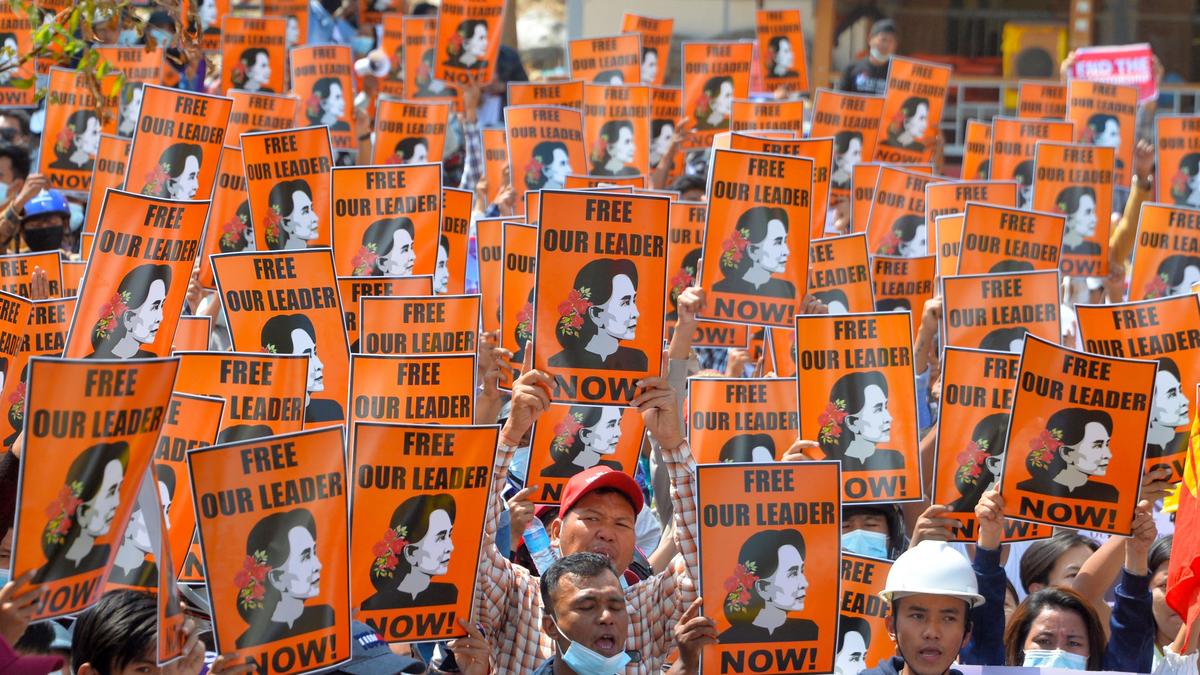
February 1 marks four years of the military coup in Myanmar, which plunged the country into a bloody civil war, still on-going. The crisis is deepening, as the struggle between the Junta forces and a fragmented resistance wages on with no resolution in sight. A stalled mediation by ASEAN, and lack of consensus amongst neighbouring countries on how to help, leaves Myanmar’s future uncertain.
 Courtesy: Financial Express
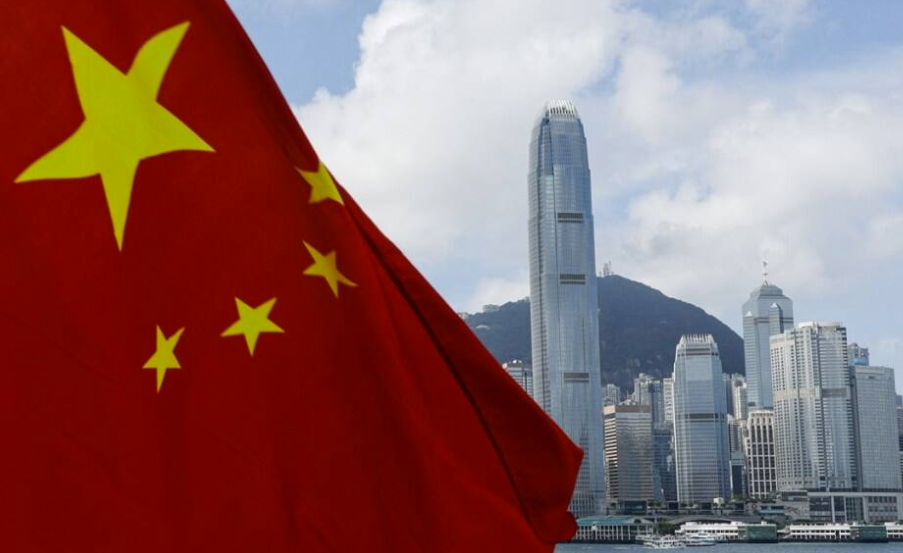
Has China peaked? India's leading China expert and Adjunct Distinguished Fellow for National Security and China Studies at Gateway House, Lt. Gen. S.L. Narasimhan discusses China's economy, the sustainability of Chinese global influence, the future of U.S.-China relations, and what this means for India. China, he says, will continue to be a shaping force in geopolitics, and the India-China relationship will continue to be one of interdependence.
 Courtesy: Al Majalla
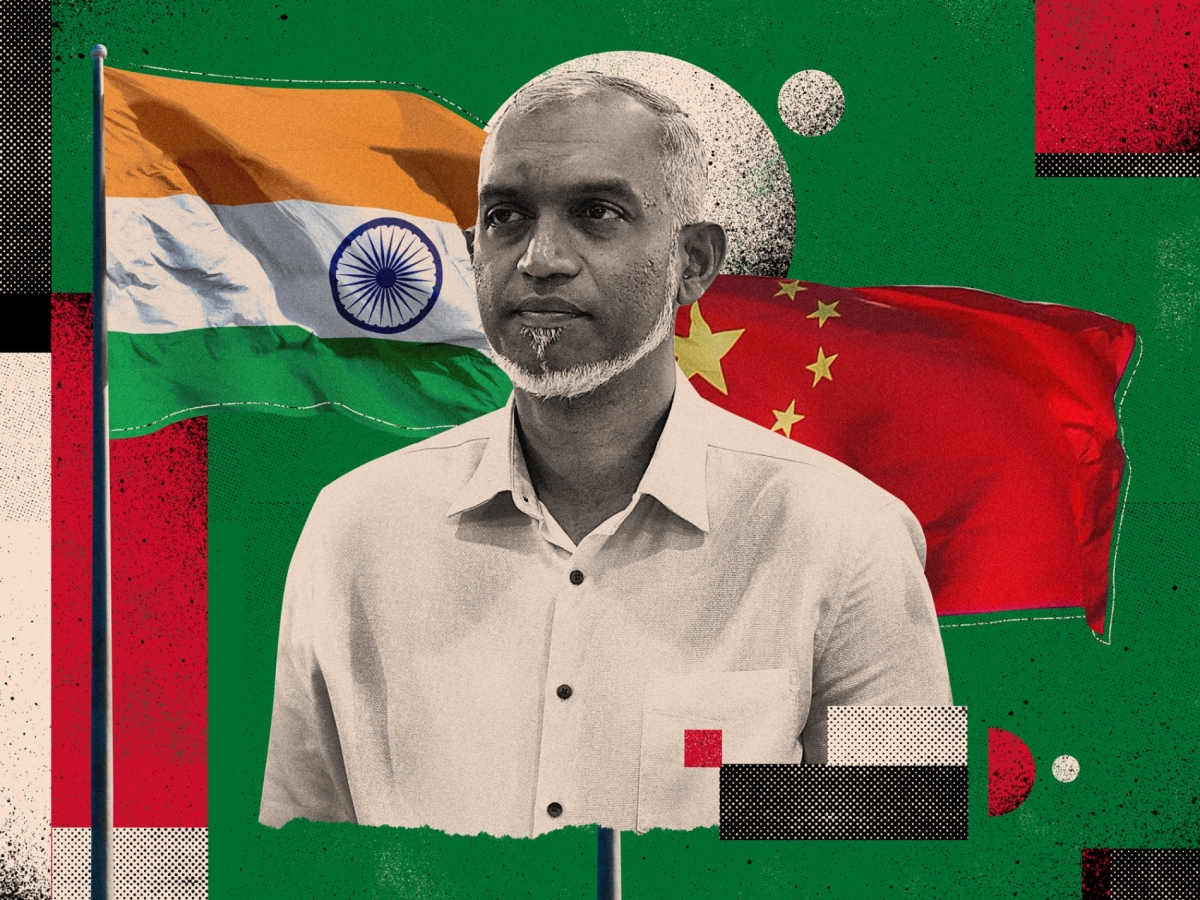
Maldives’ President Mohammed Muizzu’s desire to have an independent foreign policy has steered it away from India and closer to China. It has added a new dimension to the strategic contestation in the Indian Ocean. Rajiv Bhatia, Distinguished Fellow, Foreign Policy Studies, shares his insights on the Maldives’ strategic importance in the region, the ‘India Out’ campaign, and the way forward for Indian diplomacy in South Asia.
 Courtesy: National Army Museum
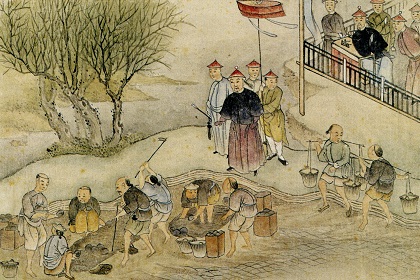
In the seventeenth century, the British established a monopoly on the opium trade to China. Bombay, a deep-sea port, emerged as a significant opium export hub for Indian and European traders alike. In this podcast, Sifra Lentin traces the events that led to the Opium Wars.
 Courtesy: BBC
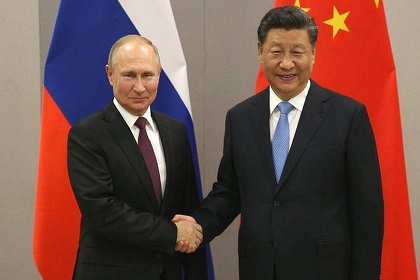
The 2022 Beijing Winter Olympics came to a close on 20 February. It was marked by Covid restrictions, athlete dramas, and a united diplomatic boycott by Western democracies citing human rights concerns in Xinjiang, a boycott India later joined for Galwan-related issues. In contrast with the unity presented by China and Russia with summit meetings in the lead up to the Olympics, shifting alliances are now the norm.
 Courtesy: Penguin Random House India
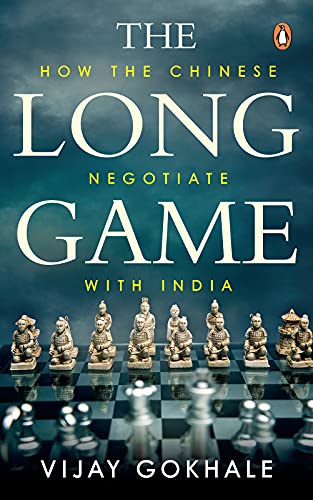
In six concise case studies, Vijay Gokhale, former Foreign Secretary of India, demystifies the Chinese style of diplomacy. The reviewer says the book makes a compelling case for how the lack of diplomatic experience of newly independent India’s leaders enabled the Chinese Communist leadership to outmatch and outmaneuver them in the early years, despite the latter playing a relatively weak hand.
 Courtesy: Flickr
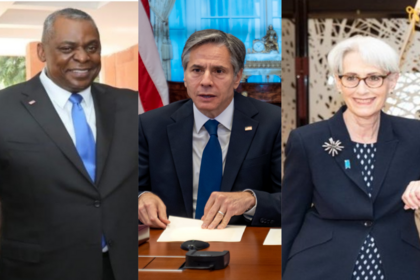
Three senior U.S. officials visited Asia in July in a well-choreographed diplomatic outreach strategy by the Biden administration. The U.S is willing to prioritise the Indo-Pacific and counter China. Asia cannot afford to be a reticent bystander.
 Courtesy: Shutterstock
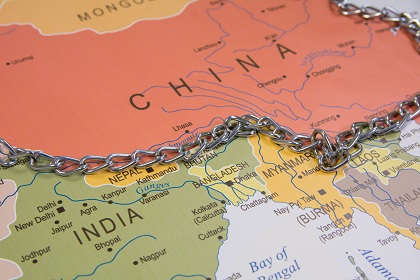
On 18 Feb 2021, China and India completed a week-long border disengagement at Pangong Tso, ending a 10-month standoff. The Indian Army's Operation Snow Leopard, launched in late August 2020, provided India with strategic and tactical leverage during the negotiations. More broadly, India combined its political, technological, economic and diplomatic forces, creating a Comprehensive National Defense to counter Chinese adventurism. This infographic tracks the chronology of Indian actions, starting with the border standoff from Jan 2020 to last month's disengagement, nearly a year later.
 Courtesy: Gateway House
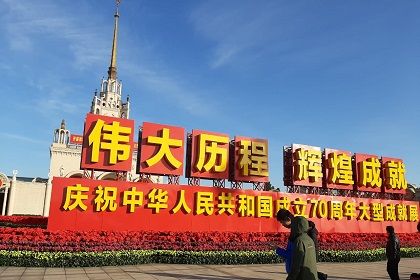
Gateway House was part of a delegation of scholars that recently visited China and interacted with Chinese scholars and universities across Beijing, Chengdu and Kunming. It provided a better understanding of China’s perspectives and concerns on key geopolitical and geoeconomic issues