bdesh Courtesy:
8 August 2024

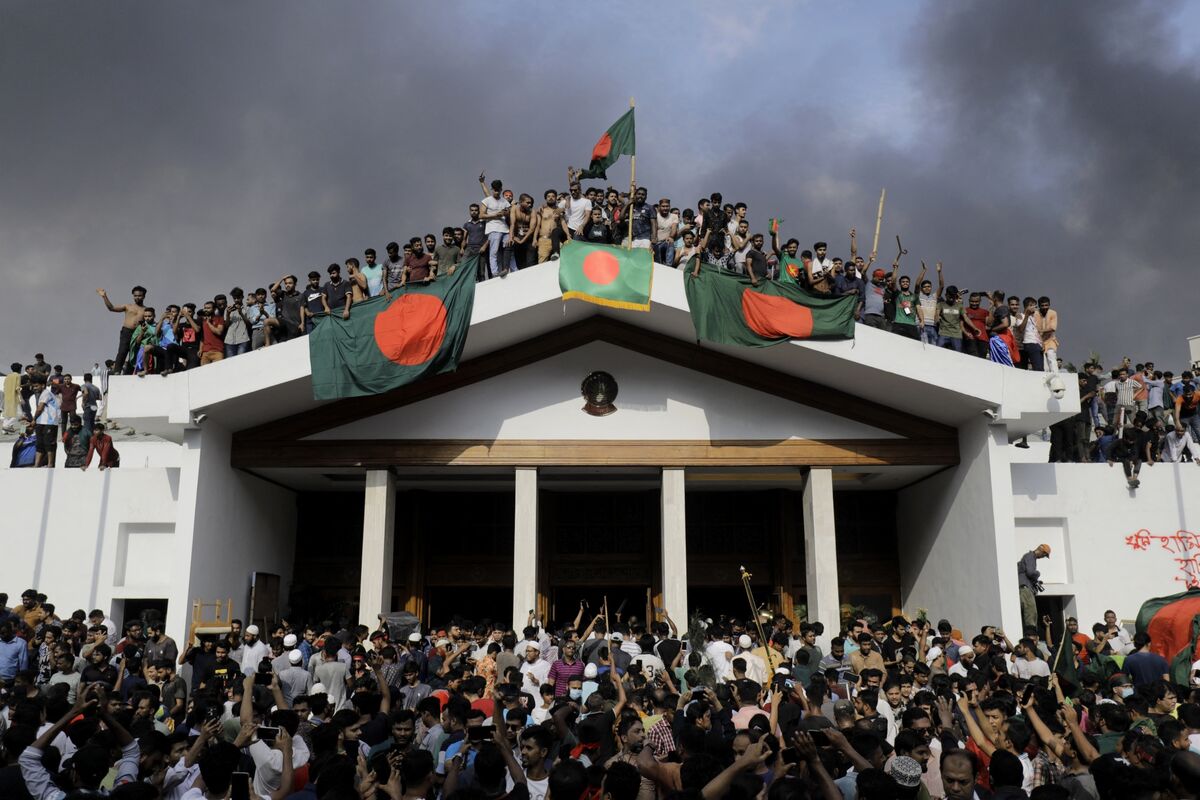
Strategic implications of Bangladesh’s regime change

Bangladesh Prime Minister Sheikh Hasina's forced resignation on August 5 came amidst prolonged and violent anti-government protests. Lt Gel S L Narasimhan, the Adjunct Distinguished Fellow for China and National Security Studies, Gateway House, analyzes the role of the army and external actors, and the strategic and security implications for India.

Screenshot 2024-08-01 125830 Courtesy:
1 August 2024

China in South Asia

China and India both give great importance to their neighbours – the former through its Friendly Neighbourhood policy, the latter through Neighbourhood First. Although China has been increasing its influence in the region, narratives that say that India is losing out to China lack in-depth analysis. To deduce the future trajectory of China in South Asia, it is important to study both China’s and India’s relations with each of these countries, as also with each other.

india china Courtesy:
18 July 2024

Narrowing the military gap

Comparing India and China’s defence forces reveals that it is more than just a numbers game. Increased defence spending and modernization with AI and quantum computing has given China a substantial edge over India’s military capability. India is working to close the gap with an energetic focus on indigenous procurement and expanding international exercises.

wignraja Courtesy:
9 July 2024

Indian Diplomacy: Diversifying Global Supply Chains

China-centric global supply chains, the backbone of East Asia’s prosperity, are shifting out as tensions over tariffs and strategic contest between the West and China soars. Ganeshan Wignaraja, Professorial Fellow, Economics and Trade, Gateway House, discusses diversifying supply chains, the China plus one strategy, and the role of India as a supply chain magnet for its South Asian neighbours.

mumbai-coastal-road-inaugurated Courtesy:
5 July 2024

India Became Bharat When No One was Looking

India’s story reads like a Bollywood script – unbelievable and insane to those who fail to decode its success. The most discernable change is internal, as ‘India’ and ‘Bharat’ coexist. India has stopped feeling and thinking poor; it’s right up there with the biggies. Maybe not invited to the high table yet, but has set up its own and invited the rest to the lavish banquet.

Tourists visit Gangaramaya Buddhist temple in Colombo, Sri Lanka April 25,2024. REUTERS/Dinuka Liyanawatte Courtesy:
6 June 2024

Sri Lanka confronts illegal tourist ventures

Asian nations like Sri Lanka have seen a rush of Russian and Ukrainian tourists over the last two years. They discover salubrious climes and overstay their visas to start small businesses. It has helped Sri Lanka boost tourism after its 2022 debt default but also created economic problems for locals. It is necessary to identify trade-offs between economic benefits and security threats associated with extended-stay tourism.

534795_0_68_720_473_1920x0_80_0_0_27a8f74ace78cb73d7b0ab2075f99b85 Courtesy: Sputnik India
30 May 2024

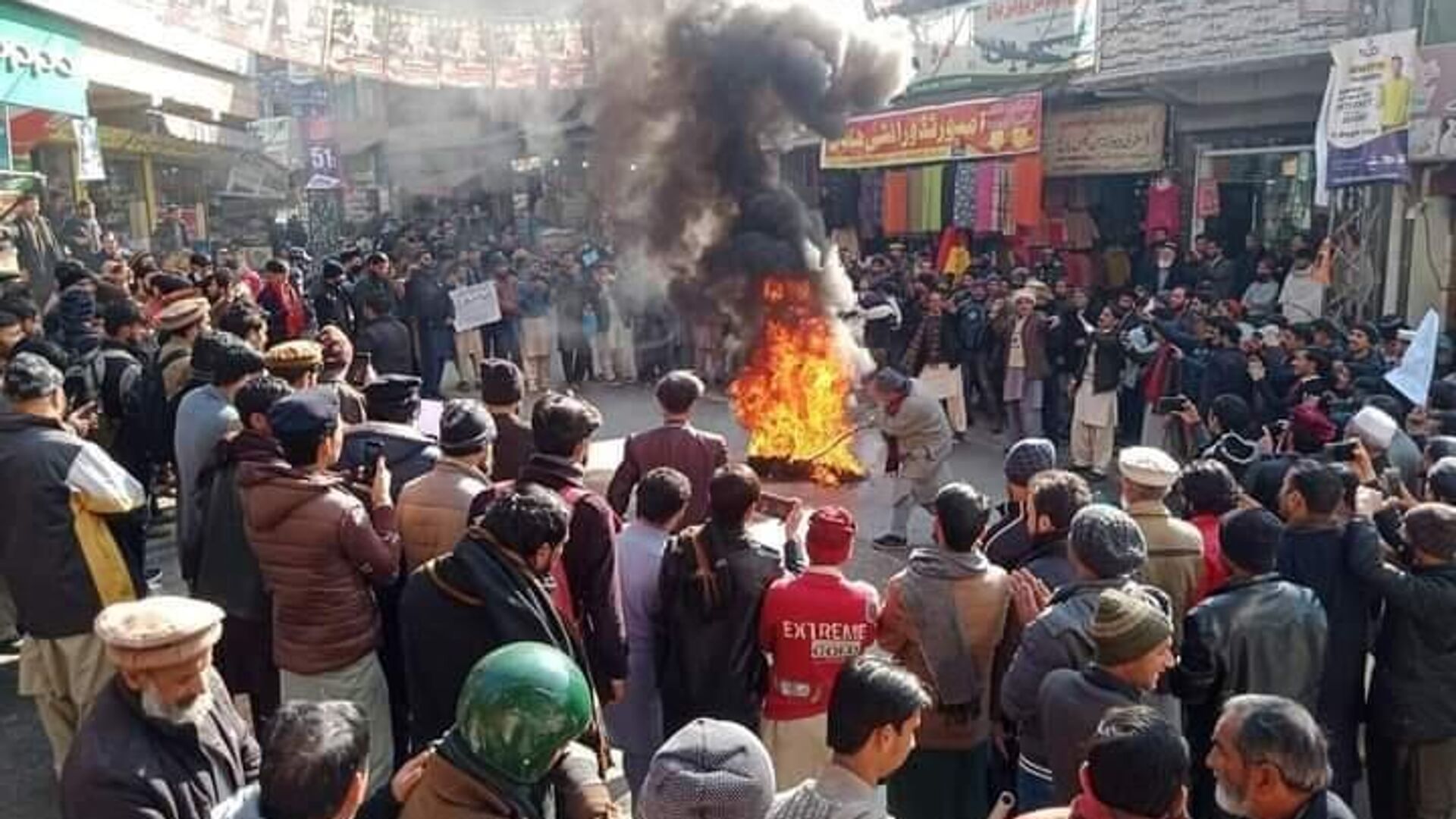
Trouble in Pakistan’s periphery

Pakistan’s peripheral regions have long been treated as colonies to benefit the Punjabi core. This neglect is facing a vigorous pushback, in the form of peaceful protests and violent resistance. The economic crisis has exacerbated tensions in Baluchistan, Khyber Pakhtunkhwa and Gilgit-Baltistan, which remain poor despite abundant natural resources.

uni syd Courtesy:
16 May 2024

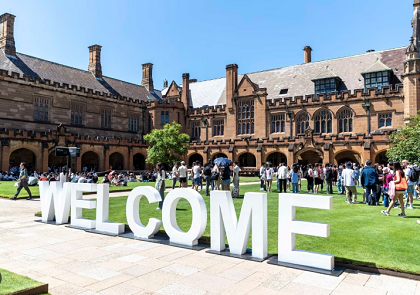
Setback for international students in Australia

The burgeoning of international students in Australian private and state universities are a source of consternation and contention for Canberra. Though student visas are misused, specific skilled migrants are still needed, and the fees paid by these students fund essential university research. Regulators are clamping down hard, but once again, students will bear the brunt.

Myanmar needs outside help Courtesy: The Indian Express
11 April 2024

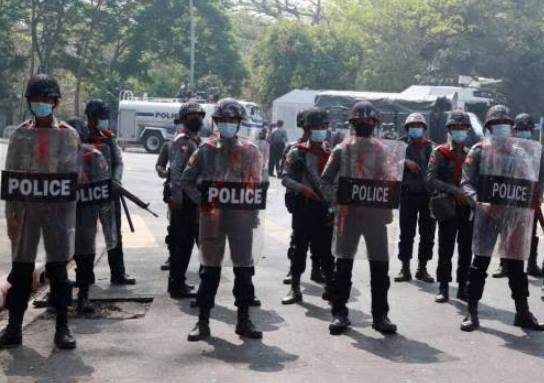
Myanmar needs outside help

Over three years of civil war in Myanmar, and there is no end in sight. The country’s stakeholders are unable to de-escalate the conflict or reliably distribute aid to those affected. Friends, including India, must step in — not only to stop the fighting and alleviate the suffering, but to help facilitate a return to normalcy.