revised design Courtesy: Gateway House
27 November 2025

Rise of the Davos Competitor

U.S. health secretary Robert Kennedy Jr. called the World Economic Forum a “billionaires’ boys club” imposing totalitarian controls. Indeed, since 1971, the elite platform shaped geopolitics. But its Western-centricism kept out the concerns of the rest. This gave rise to alternative forums, which look beyond financial agendas to the perspectives shaping the Global South. Here are 45 of biggest, half of which began just two decades ago.

East Asia Forum Courtesy: East Asia Forum
26 June 2025

Canada, India and the G7 Summit

Most multilateral and plurilateral institutions have lost their significance and ability to shape the trajectory of international relations today. The G7 is no exception. It is impacted by the shift of power from the Atlantic to the Pacific, and an intra-Atlantic rift. The G7 discussions reflected this. More positive were the sideline discussions on repairing the India-Canada bilateral.

Website articles  (21) Courtesy: News Arena India
12 June 2025

G7 Summit: Plethora of opportunities

Canadian Prime Minister Carney can use the upcoming G7 summit he is hosting to advance the North-South dialogue and cooperation and also to discuss the strained bilateral with India. India can articulate the viewpoint of the Global South, stressing its conviction that the G7 is better served by constructively working with developing and emerging economies.

IMEC map with source Courtesy: Gateway House
11 June 2025

IMEC: more than just a corridor

The proposed IMEC corridor connecting India to Europe through the Gulf can be transformative, helping to reduce risks to the global movement of goods and data. It’s early days yet, and there are gaps to be filled in terms of missing infrastructure and overcoming a diplomatic rift.

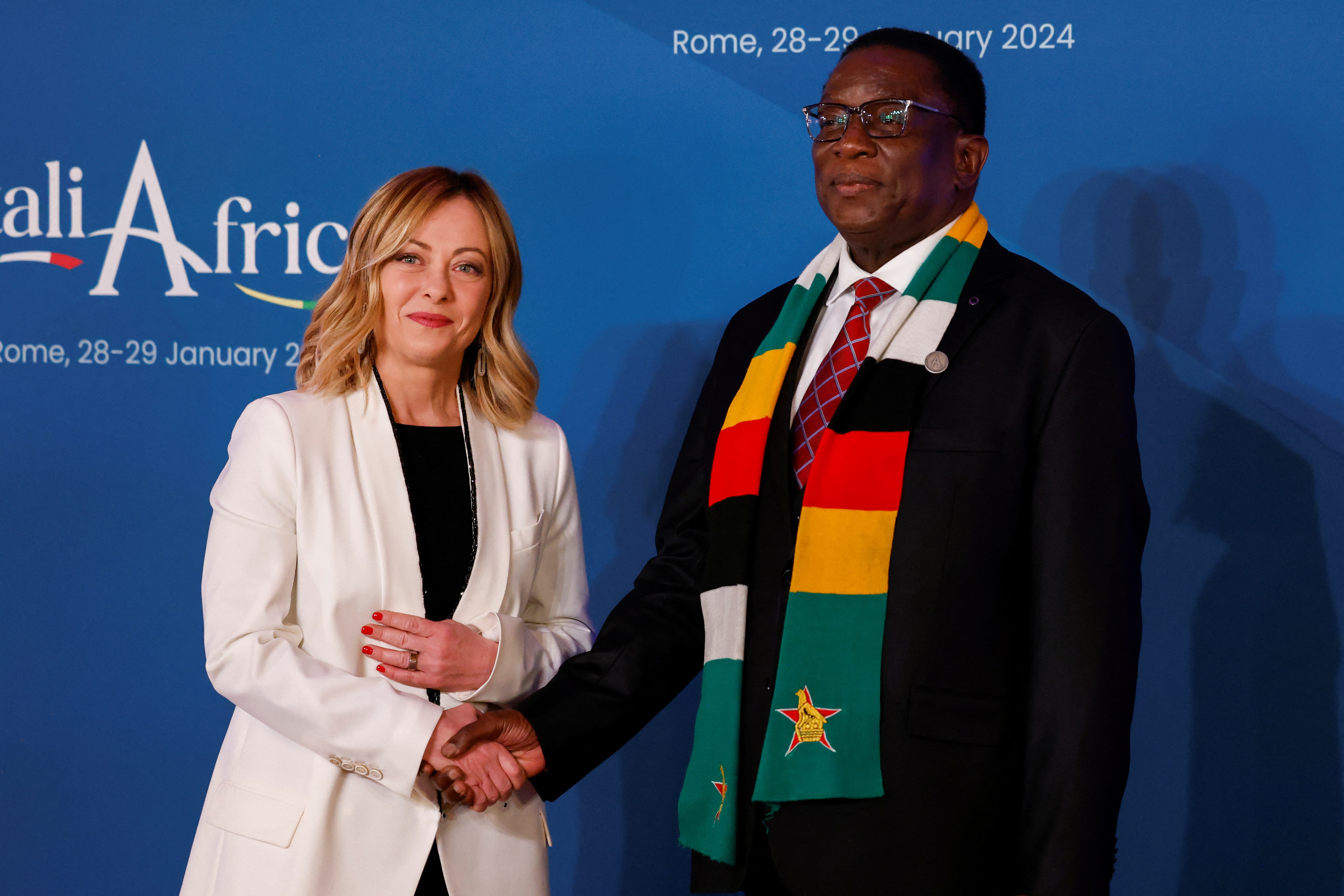
Italy's Prime Minister Giorgia Meloni meets with President of Zimbabwe Emmerson Mnangagwa inside the Madama Palace (Senate) as Italy hosts the Italy-Africa summit in Rome, Italy January 29, 2024. REUTERS/Remo Casilli Courtesy: Reuters
8 February 2024

Italy reaches out to Africa

The Italy-Africa summit, held on January 28-29, followed Prime Minister Meloni’s Mattei Plan for greater engagement with Africa and the Global South. It gives Italy’s ongoing G7 presidency an edge and a means of addressing immediate concerns like energy and illegal migration. Italy must now follow through on its commitments by coordinating with partner countries, organisations and private sector.

EuropeProtests-01[85] copy Courtesy: Gateway House
17 November 2022

Protests across Europe

Discontent over high energy prices, spiralling living costs, and anti war sentiments have gripped Europe, resulting in protests and civil unrest across the continent. With no immediate solution in sight, public resentment is likely to intensify through the coming winter months

sanctions Courtesy: The Loadstar
6 July 2022

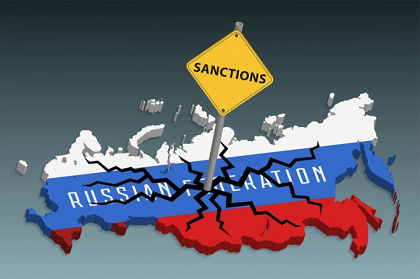
Detailing Western sanctions against Russia

The West is using the Ukraine crisis as a watershed moment to weaponize sanctions in a volatile global setting. This infographic shows the extent and scale of Western sanctions against Russia, both public and private, across different sectors, and in a coordinated manner.

G7s1 Courtesy: The Print
4 July 2022

What did the G7 achieve?

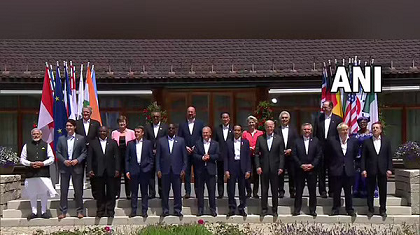
The shadow of the Ukrainian war was visible at the G7 summit. Anti-Russian formations were expected, but the extensive reference to China drew attention. The leaders did their part by extensively discussing challenges relating to climate, energy, environment, health, and food security. It is now for the G7 governments to deliver, to be taken seriously.

Narendra-Modi-Silicon-Valley-684x420 Courtesy: Twitter: Digital India Archives
19 May 2022

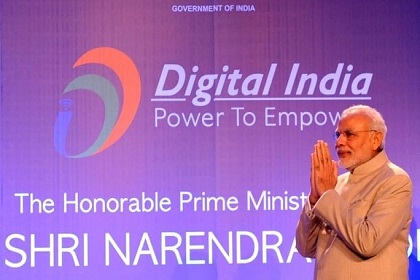
Digital public goods for the Indo-Pacific

With mass digitisation, India has proved that technology is not just for the educated, privileged, and wealthy. The country's open and secure digital public platforms can be significant for the Indo-Pacific, the world's most data-rich region. The Indian model is applicable because it is open-source, interoperable, auditable, and enshrines individual rights, ownership, and empowerment.