indo pacific  (2) Courtesy: Getty Images
24 July 2025

India’s footprint in the Indo-Pacific region

India is strategically expanding its influence across the Indo-Pacific region, positioning itself as a key player in regional affairs. Three elements anchor the effort: development aid, trade and the diaspora. The country now has 20 Free Trade Agreement partners in the Indo-Pacific. The 21.8 million-strong Indian diaspora across the region is a significant source of soft power for India.
New Spotlight Magazine Courtesy: New Spotlight Magazine
19 June 2025

A case for South Asia energy connectivity

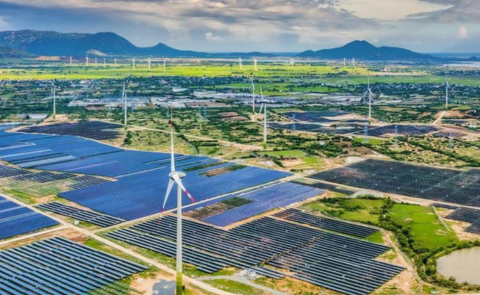
Building a robust engagement with India on energy can help offset some of the economic and political crises that most of India’s neighbours are facing. Smaller South Asian neighbours will benefit from cheaper electricity and oil, paving the way for greater regional economic cooperation.

Website articles  (12) Courtesy: Gateway House
15 May 2025

U.S., global emperor of sanctions

Over two centuries, the U.S. has amassed vast economic powers across the globe during and after the two World Wars , and sanctions slowly became an effective tool it used to achieve its foreign policy goals, becoming the global emperor of sanctions.

Banner_Final Courtesy:
31 October 2024

India-Myanmar: Borderland Dynamics

Gateway House presents a timeline that highlights the cross-border dynamics between Myanmar and India’s northeast. Myanmar’s military coup and breakdown of authority have aggravated existing local problems related to population displacement, border security, competition for resources and ethnic tensions. Now India must engage more directly with the entities that control land along its borders, and the local communities who know it best.

IMG-1700 Courtesy: @BIMSTECInDhaka
8 June 2022

BIMSTEC@25

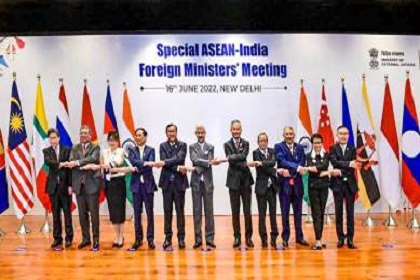
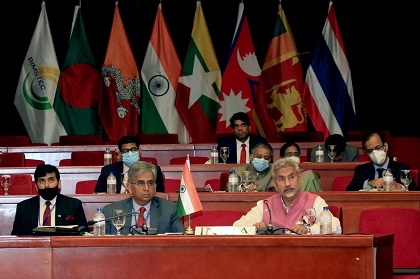
June 6, 2022, marks 25 years since India, Bangladesh, Sri Lanka, Bhutan, Nepal, Myanmar and Thailand joined hands to create BIMSTEC and infuse South Asia with economic and institutional cooperation. The strategic geography of this grouping has the potential to bring new synergy between South Asia and the recently-instituted Indo Pacific Economic Framework, ASEAN and the Quad, for a prosperous, secure Bay of Bengal Community.

bimstec 2 Courtesy: Twitter- BIMSTEC
19 May 2022

Incorporating the Blue Economy into BIMSTEC

The BIMSTEC charter has laid the foundations for a prosperous, peaceful, and sustainable Bay of Bengal region, a goal that can be achieved by greater integration and deeper collaboration. While ensuring continuity with past efforts and strengthening economic cooperation is necessary, it must also realise its potential in newer areas such as the blue economy, which has three interlinked pillars— connectivity, prosperity, and regional stability.

ASEAN FINAL Courtesy: asean.org
17 May 2022

Is the U.S. central or peripheral to ASEAN?

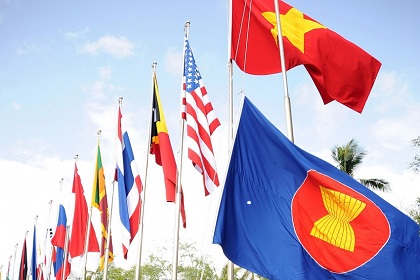
The recently concluded ASEAN-U.S. Summit has raised the bilateral cooperation to a strategic comprehensive partnership. Key areas of cooperation were identified and global health, SDGs, maritime security and connectivity, and the Ukrainian war dominated the dialogue. The meeting is significant in light of the May 24 Quad Summit, where it is important for the US to have its engagement with ASEAN visible.

bimstec climate Courtesy: @BimstecInDhaka
12 May 2022

Mainstreaming the climate agenda in BIMSTEC

The rejuvenated BIMSTEC, with a new charter in hand, is now expanding its ambition and mission. One such area is climate change, which needs greater attention as it will have implications for the Bay of Bengal and beyond. With their unique climate conditions and action plans can together create a model for regional cooperation.

unnamed (1) Courtesy: Ministry of External Affairs, India
7 April 2022

A formal, opportune BIMSTEC

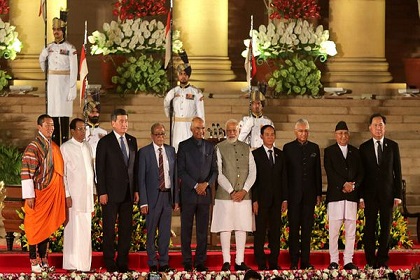
The recently concluded BIMSTEC summit is now a regional intergovernmental organization with a formal charter, giving it a clear mission and legality and a destiny linked to South and South East Asia. It is now better equipped to accelerate economic development for the fifth of the world’s population, which contributes only 4% of global GDP.