.png)
Neighbourhood Views of India
In the past few years, the SAARC region has seen promising engagements in mutual cooperation between nations. For these developments to hold, new ideas must be discussed

In the past few years, the SAARC region has seen promising engagements in mutual cooperation between nations. For these developments to hold, new ideas must be discussed
 Courtesy: Mission Against Corruption/Wikimedia Commons
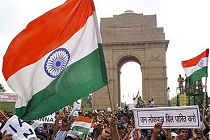
The promise of an egalitarian democratic system in India and abroad, has been tarnished by the entrenchment of dynastic leadership and by an inordinate concentration of power and wealth in the hands of a few. It is imperative to find ways to confront the shortcomings that have crept into our cherished democracies.
 Courtesy: Gateway House
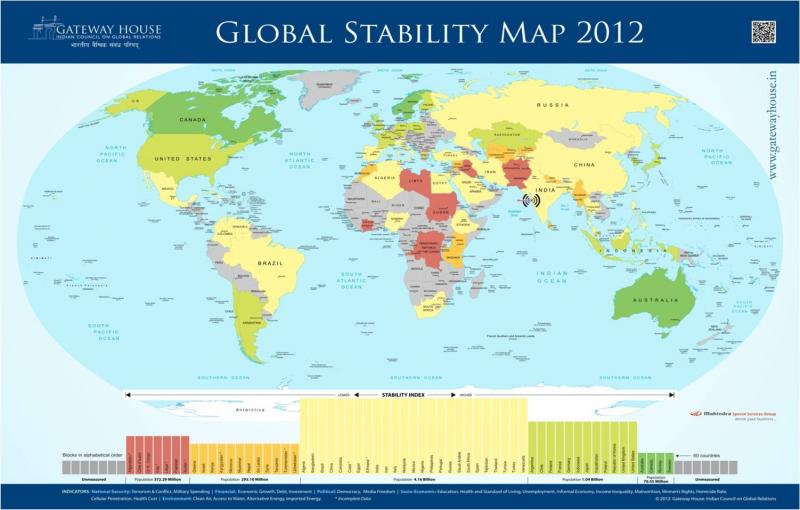
Gateway House prepared a Global Stability Map, using 20 differing indicators, to analyze the stability of 60 countries around the world. Using criteria that are important to the emerging economies of the world, the map provides an Indian perspective of the world today.
 Courtesy: nazeah/Wikimediacommons - Ramesh Lalwani/Flickr
The year 2011 saw various events - the Arab Spring, anti- corruption protests, Europe's sovereign debt crisis - transform countries and reshape the world order. Gateway House takes a look at what these events mean for India, and presents India's top foreign policy cheers and jeers for the year.
 Courtesy: PMO
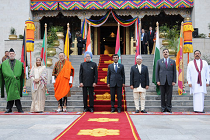
Creating a neighbourhood of compatible interests in South Asia isn’t easy, especially when intra-regional trade accounts for only 5% of total trade in the region. However, the region has seen considerable progress in the past year. India is well poised to lead the change, starting with the upcoming SAARC summit.
 Courtesy: KrishDulal/Wikipedia
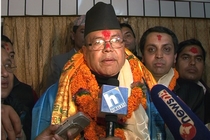
After swearing in a new Communist prime minister, the Himalayan kingdom has many bones to pick with its neighbour.