Themba HadebeAP Courtesy: Themba Hadebe/AP
27 November 2025

Johannesburg G20 summit: advancing amidst anxiety

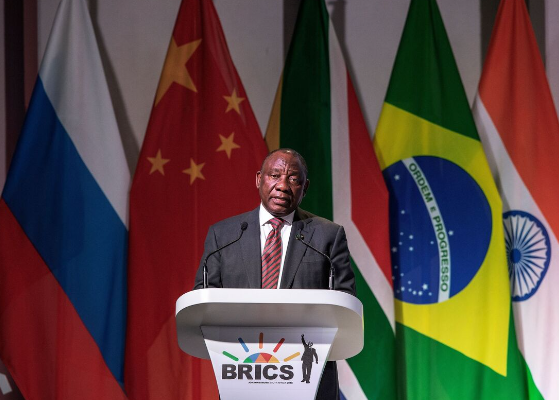
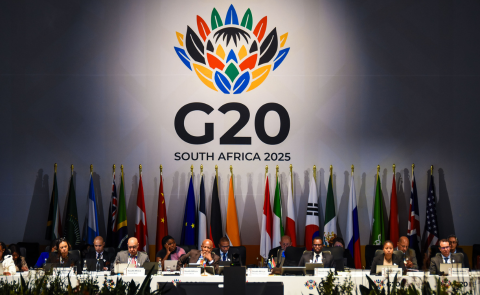
The G20 Summit in Johannesburg ended on a widely-shared sense of satisfaction and achievement, with the Global South’s perspective well-articulated, but divergent from some in the Global North. Now the G20's challenge is to restore its unity and credibility by working toward reconciliation with its next president, the U.S. Can India enhance its credibility and influence as a North-South bridge-builder?

revised design Courtesy: Gateway House
27 November 2025

Rise of the Davos Competitor

U.S. health secretary Robert Kennedy Jr. called the World Economic Forum a “billionaires’ boys club” imposing totalitarian controls. Indeed, since 1971, the elite platform shaped geopolitics. But its Western-centricism kept out the concerns of the rest. This gave rise to alternative forums, which look beyond financial agendas to the perspectives shaping the Global South. Here are 45 of biggest, half of which began just two decades ago.

Website articles  (11) Courtesy: UNDP
20 November 2025

A G20 summit with African characteristics

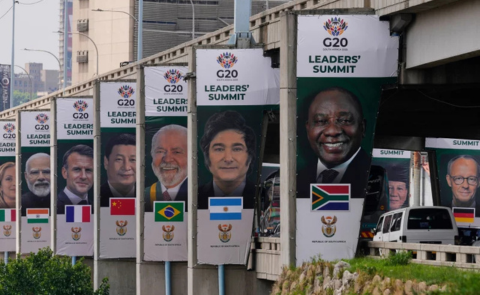
The G20 Summit in Johannesburg in November will close four years of developing countries holding the grouping’s Presidency. It has left a positive imprimateur on the G20. The next President, the U.S., will inherit a more diverse body, with equal attention being given to issues of the Global North and the Global South.

Gateway House Courtesy: Telegrafi
6 November 2025

U.S. Sanctions on Russian oil giants

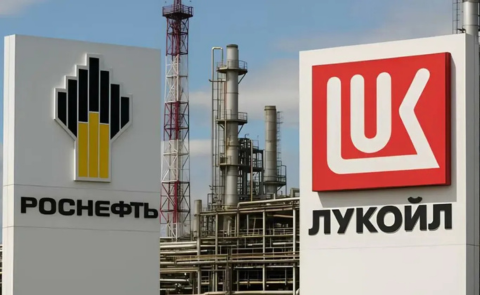
On October 22, 2025, U.S. President Donald Trump imposed sanctions on Russia’s oil giants, Rosneft and Lukoil. The move has clear geopolitical motives—to remove a major supplier from an oversupplied oil market. Indian oil companies, key buyers of Russian crude, now face pressure to cut imports, undermining India’s energy diversification and shaking global oil markets, including the U.S. economy.

Bandung conference  (3) Courtesy: PTI
24 April 2025

Bandung Principles and the path ahead

Amid polycrises, from pandemics to wars and trade wars, the global order is in flux, with the contours of the new order still unclear. As the world marks the 70th anniversary of the historic Bandung Conference, this article analyses how its Ten Principles still resonate in today's fractured geopolitical landscape and offer a roadmap for equity, inclusivity, and balance.

World Leaders Courtesy: East Asia Forum
17 April 2025

Multipolarity is gaining ground

The traditional power structures of ‘unipolarity’ or ‘bipolarity’ prevalent over the past 80 years are no longer appropriate to describe the current global order, with more countries increasingly supporting the evolving multipolar world. With the old ‘rules-based’ order becoming less relevant, emerging powers like India have an opportunity to draft more equitable rules to match their multipolar intentions.

Quad meeting Courtesy: X
13 February 2025

Where is the Quad heading in 2025?

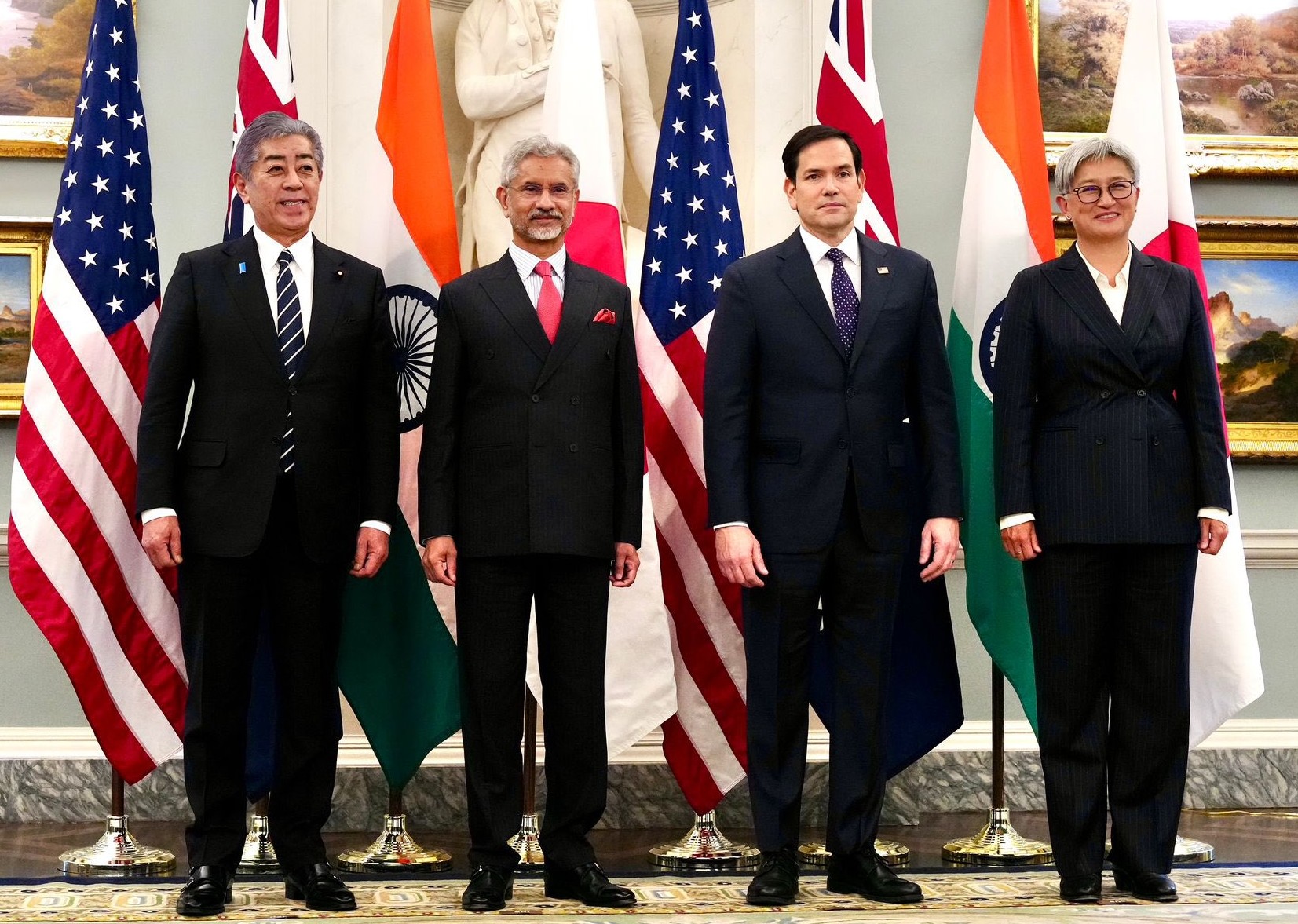
The first plurilateral meeting attended by new U.S. Secretary of State Marco Rubio was the Quad, a day after assuming office. The meeting reinforced the commitment to the Indo-Pacific but with the change in government, the Quad's trajectory in 2025 remains a question. Part of the answer lies in its past interactions, while the rest depends on how the U.S. and India will approach China.

OladXModi Courtesy: Getty Images
21 March 2024

Still not weatherproof

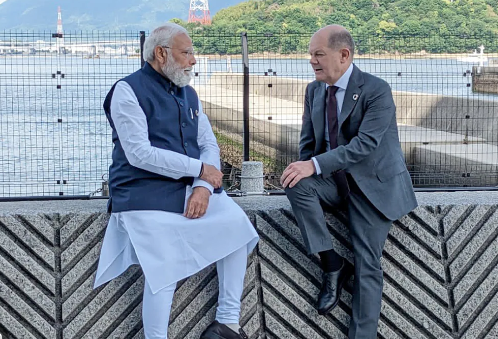
Germany is India's largest trade and economic partner in the EU, but the relationship with France is a class apart, given its strength in military aviation and willingness to be a differentiated member of the West. Must this remain so? If Germany and the EU would be more understanding of India’s democracy and its role in upholding a rules-based order, their relations would be greatly improved.

EmmaLouiseDiscussion Courtesy: Getty Images
21 March 2024

‘BRICS wants to challenge the G7′

With South African presidential elections slated for late May, South African opposition politician and Shadow Minister for International Relations and Cooperation, Emma Louise Powell shares her views on the future trajectory of BRICS, the credibility of the African Union (AU) on the continent, South Africa’s relations with China, and her country’s stance on key global issues.

Russian_BRICS_Chairship Courtesy: Official Internet Resources of the President of Russia
4 March 2024

BRICS under Russian chairship

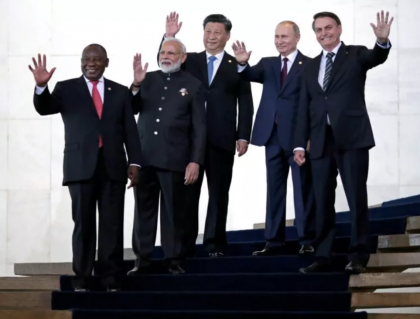
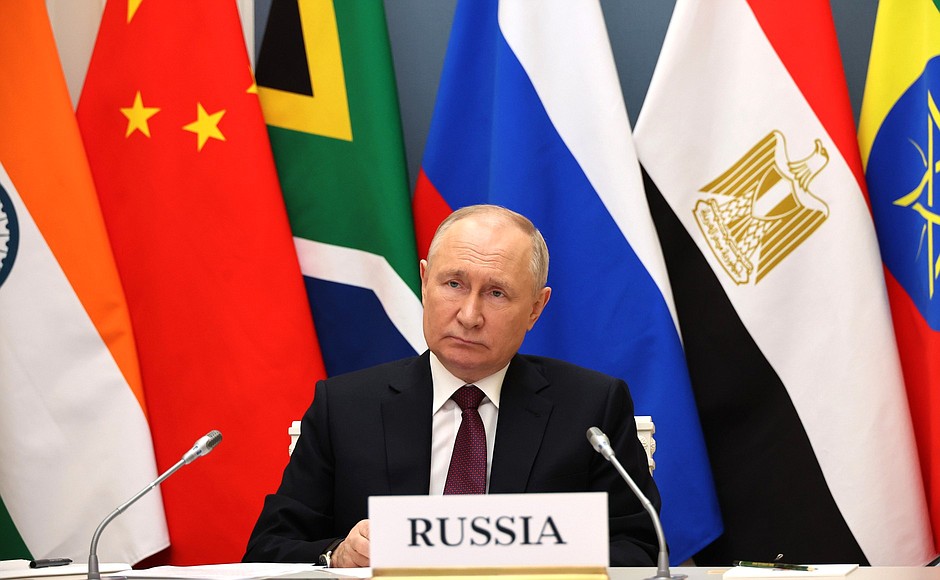
Russia took charge of BRICS in January 2024 at a point of inflection in geopolitics and expanding influence for the bloc. As chair, Moscow aims to bolster cooperation along the lines of the BRICS’ three pillars to shift power away from the West and explore ways to engage potential members. Though China seems onboard, for India, neither of these pursuits must proceed too aggressively.